
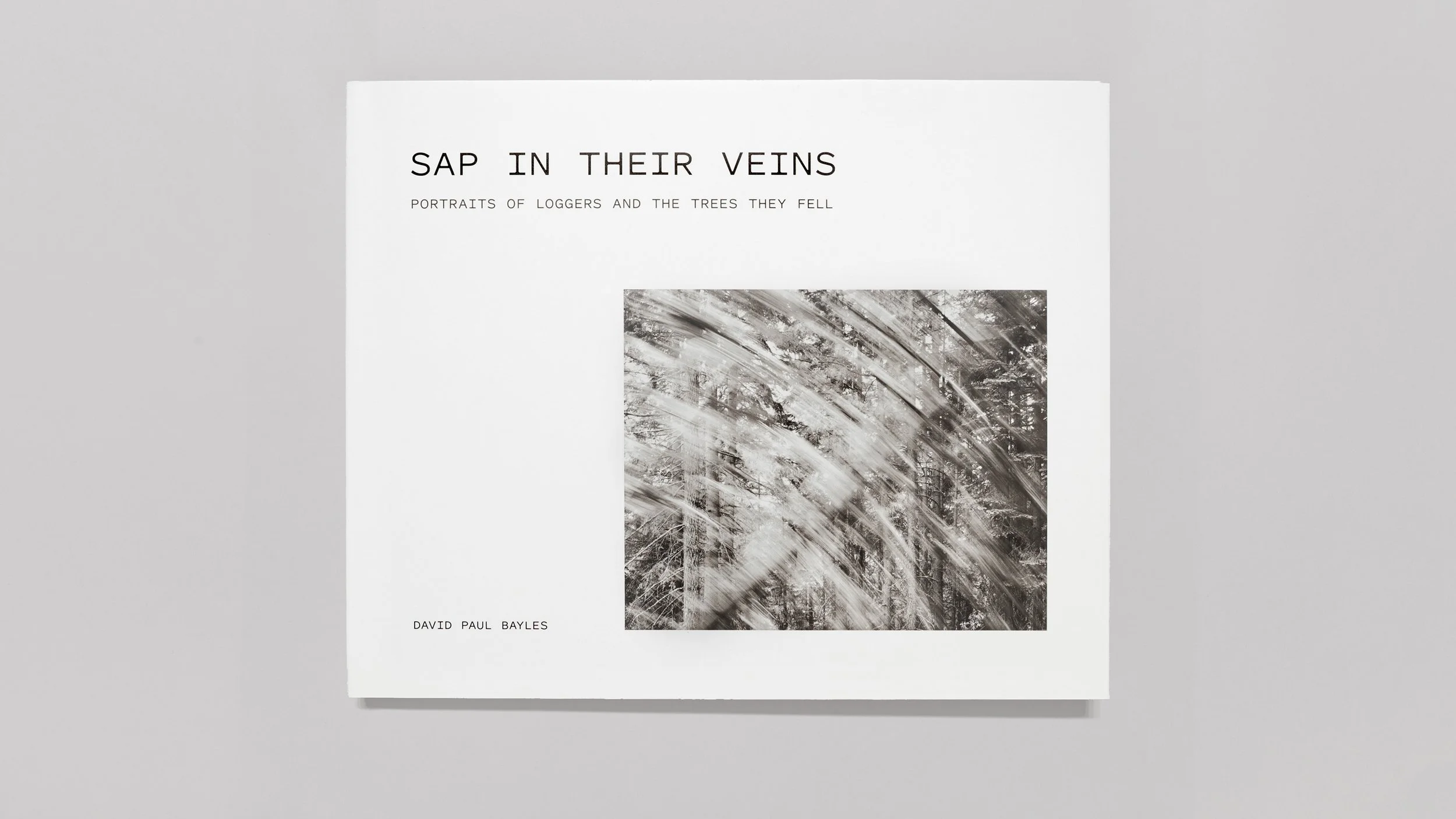
 Image 1 of 13
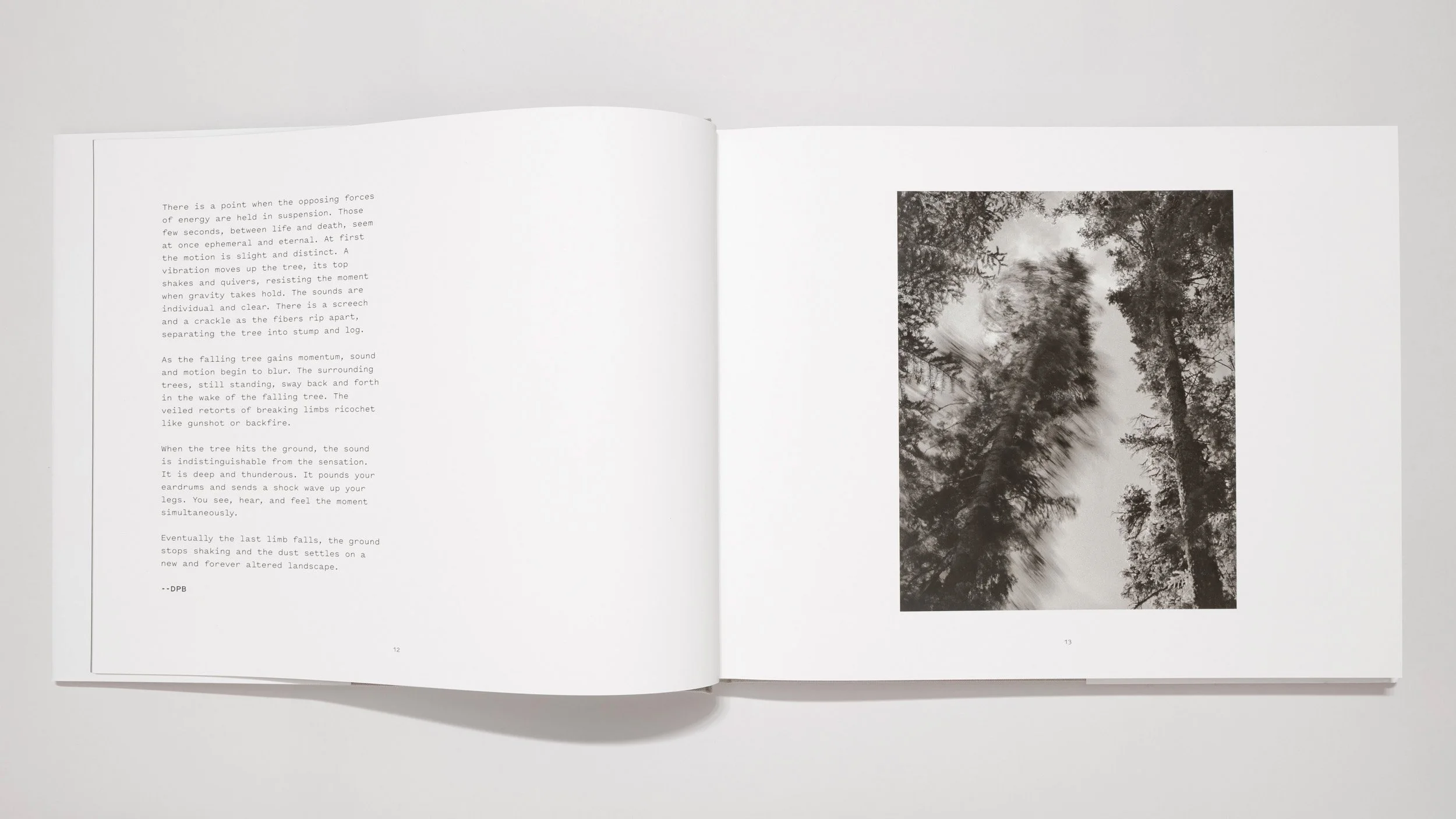 Image 2 of 13
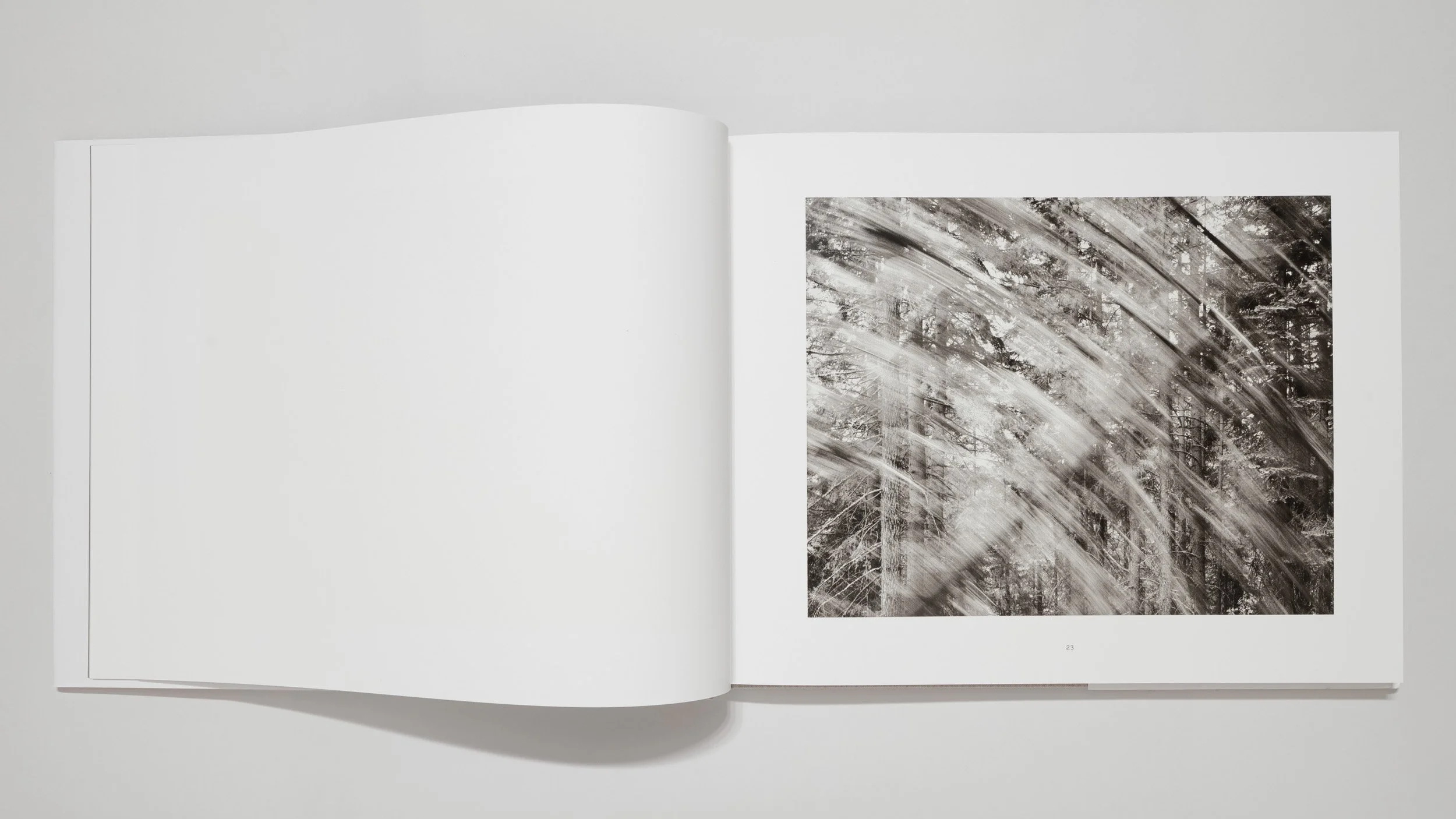 Image 3 of 13
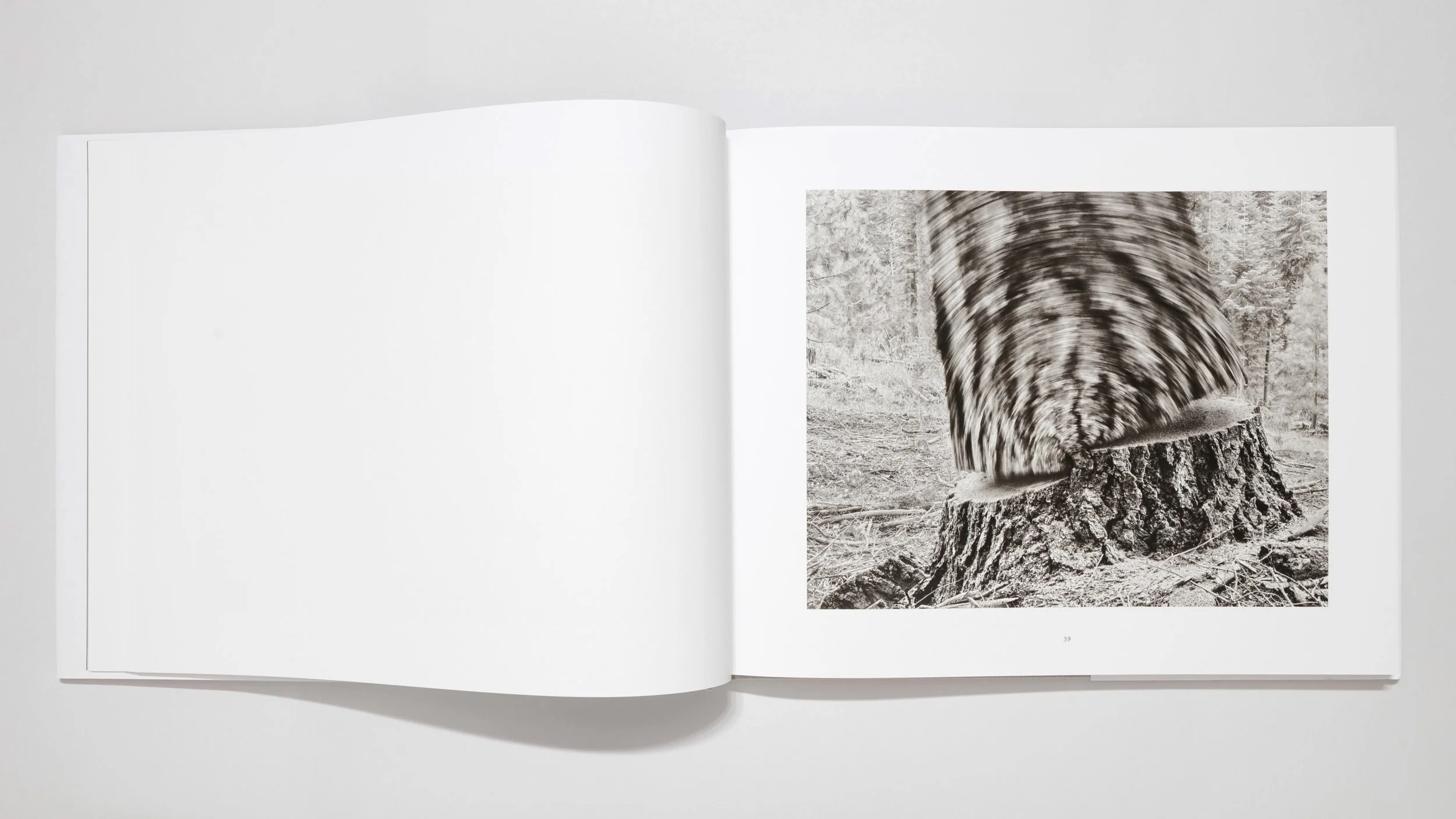 Image 4 of 13
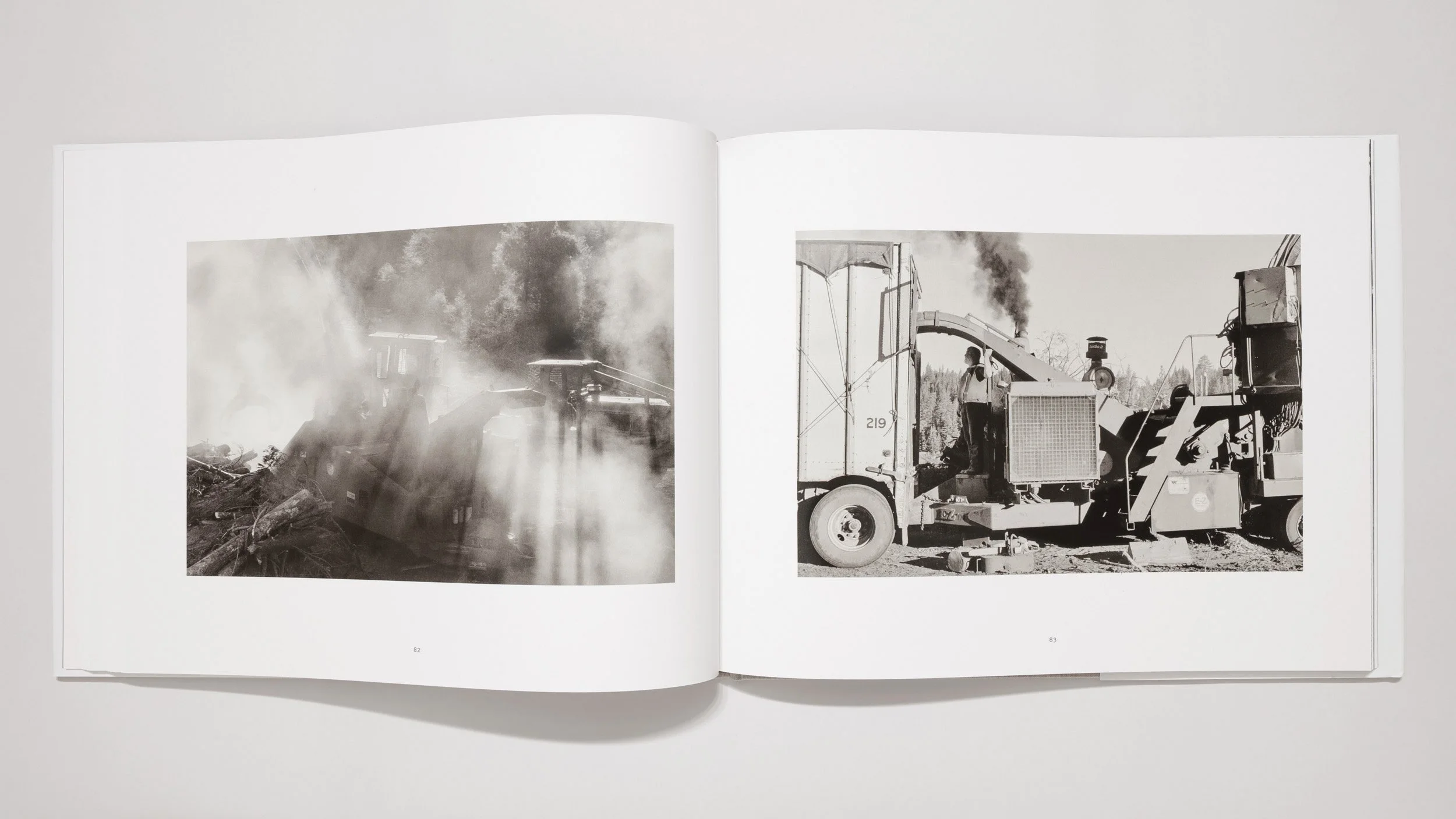 Image 5 of 13
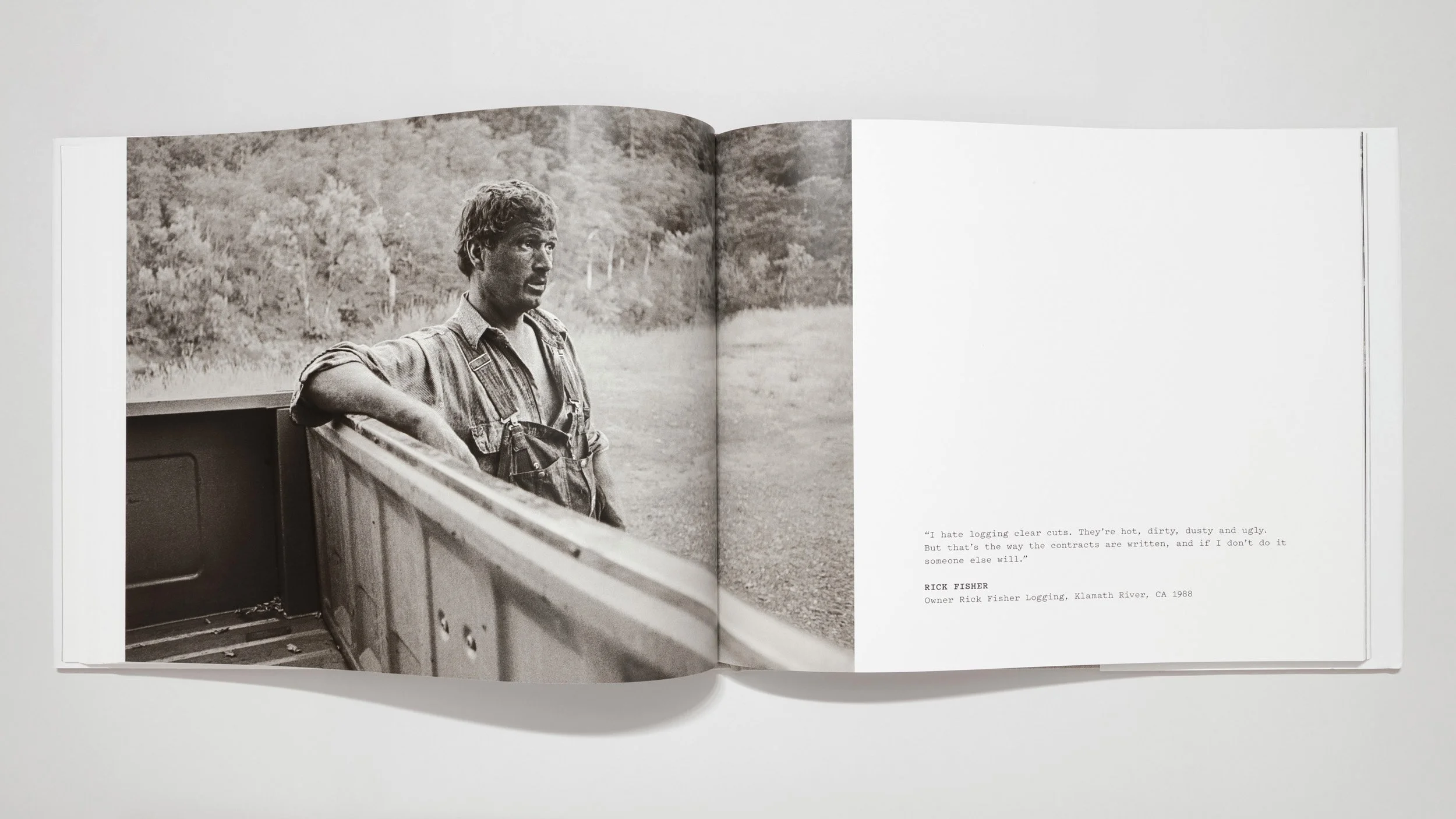 Image 6 of 13
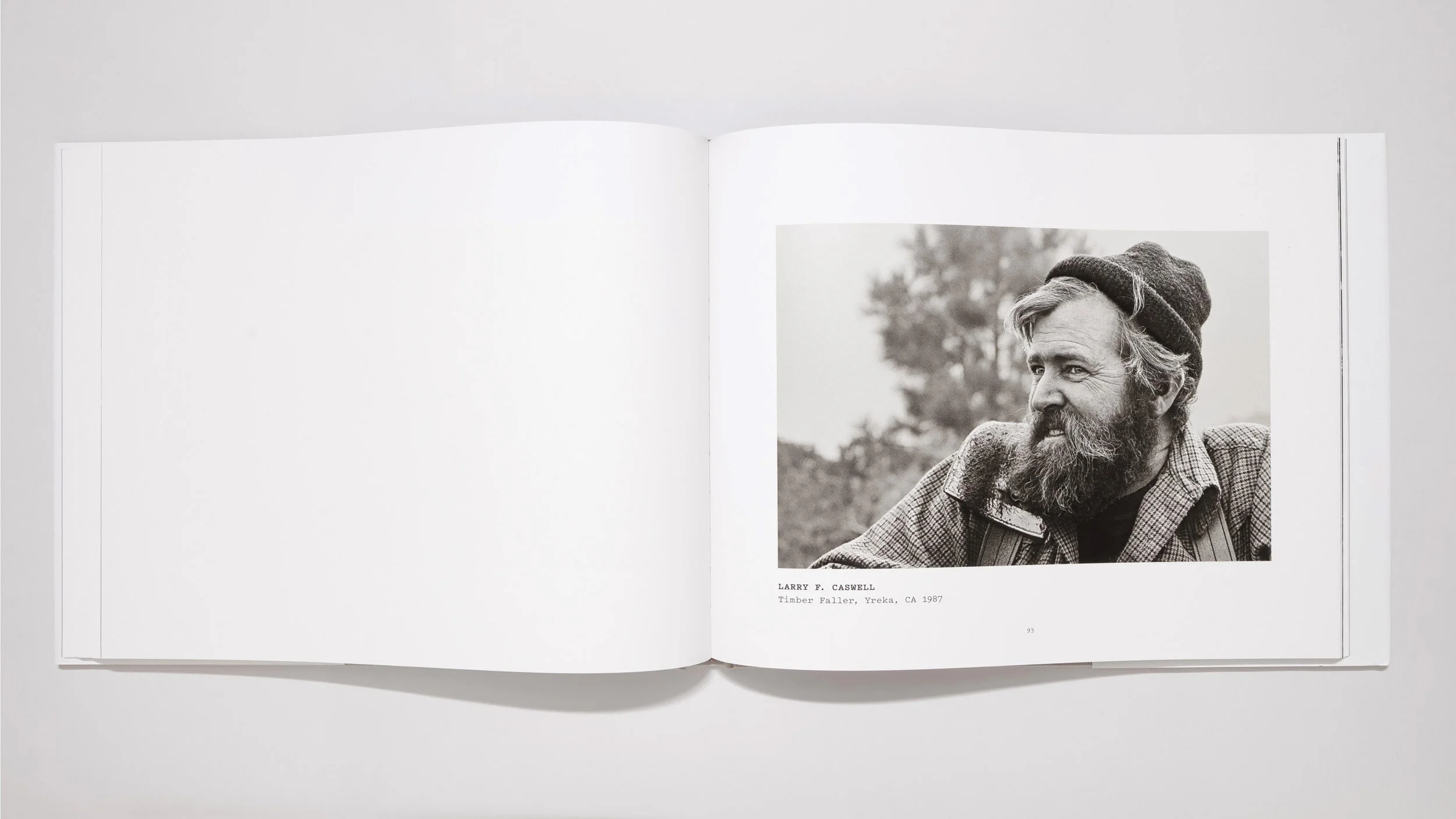 Image 7 of 13
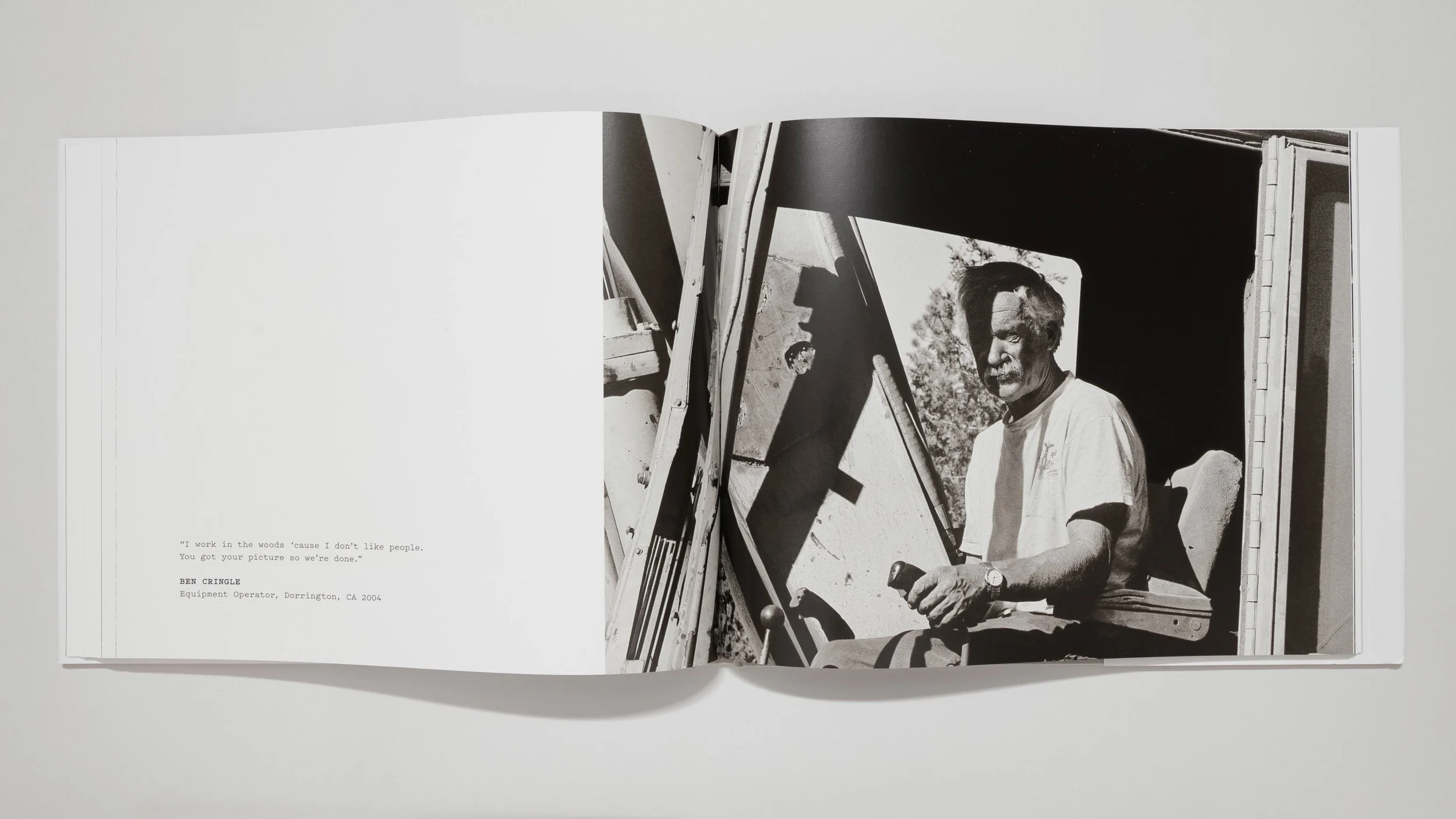 Image 8 of 13
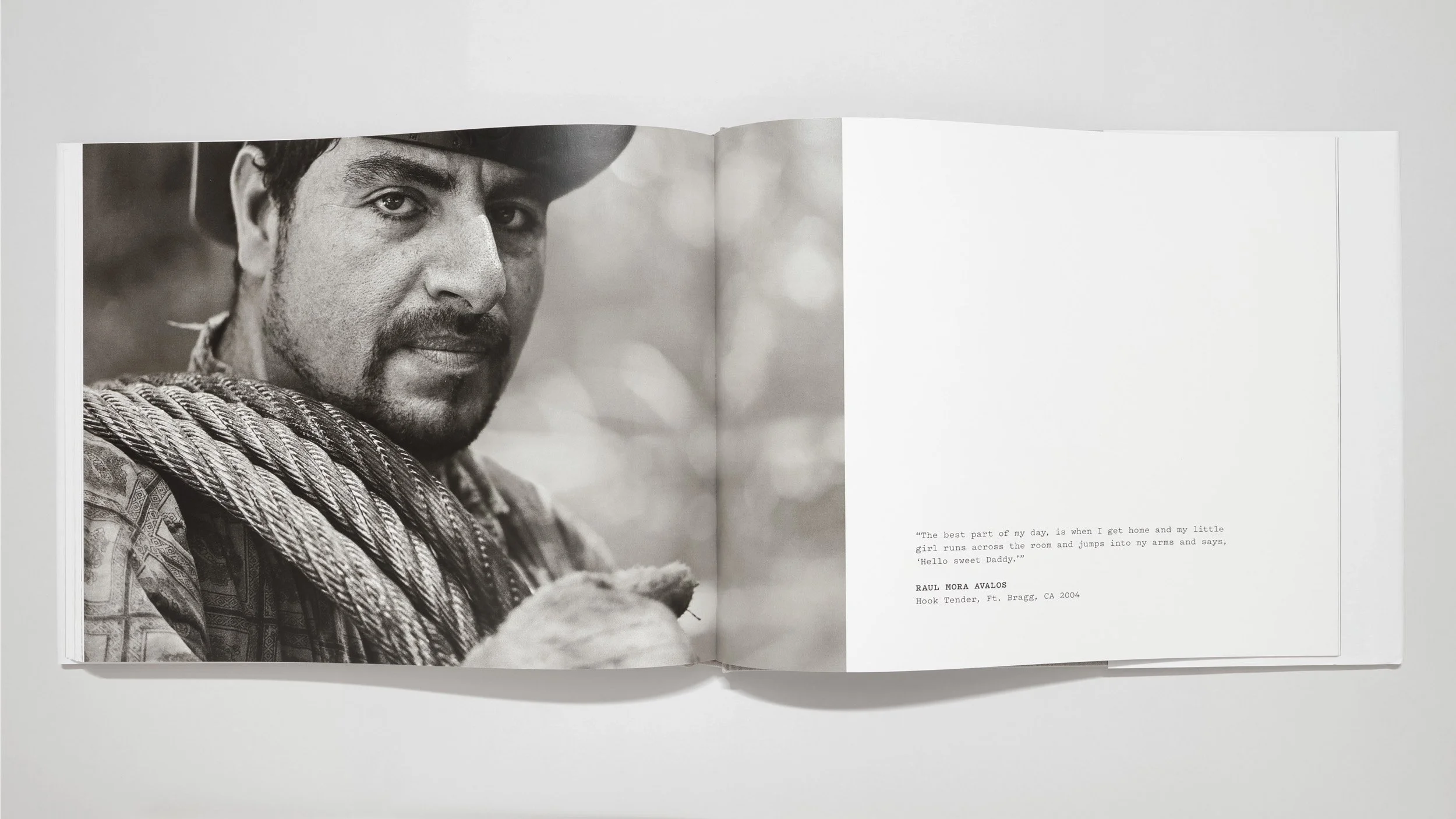 Image 9 of 13
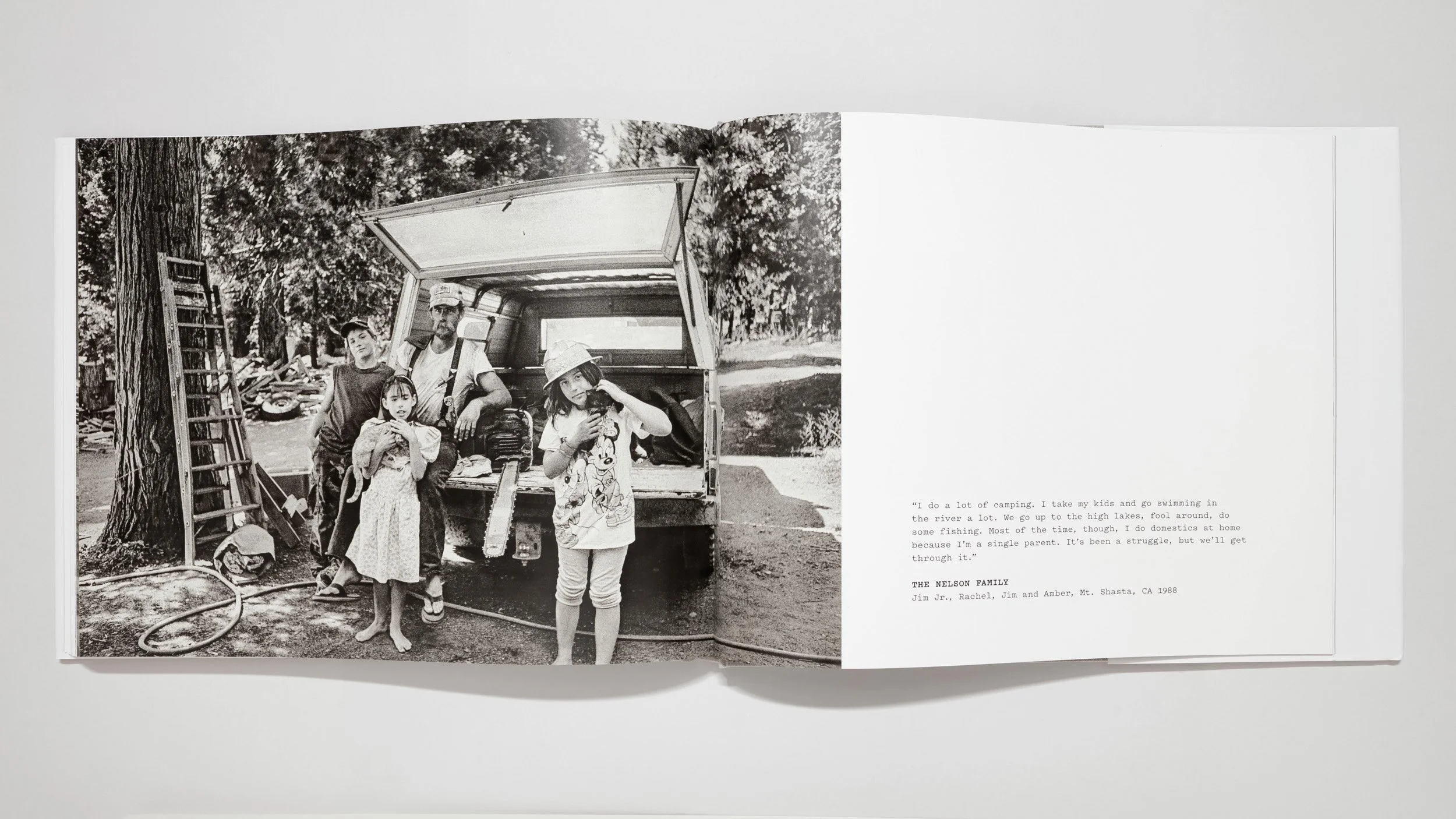 Image 10 of 13
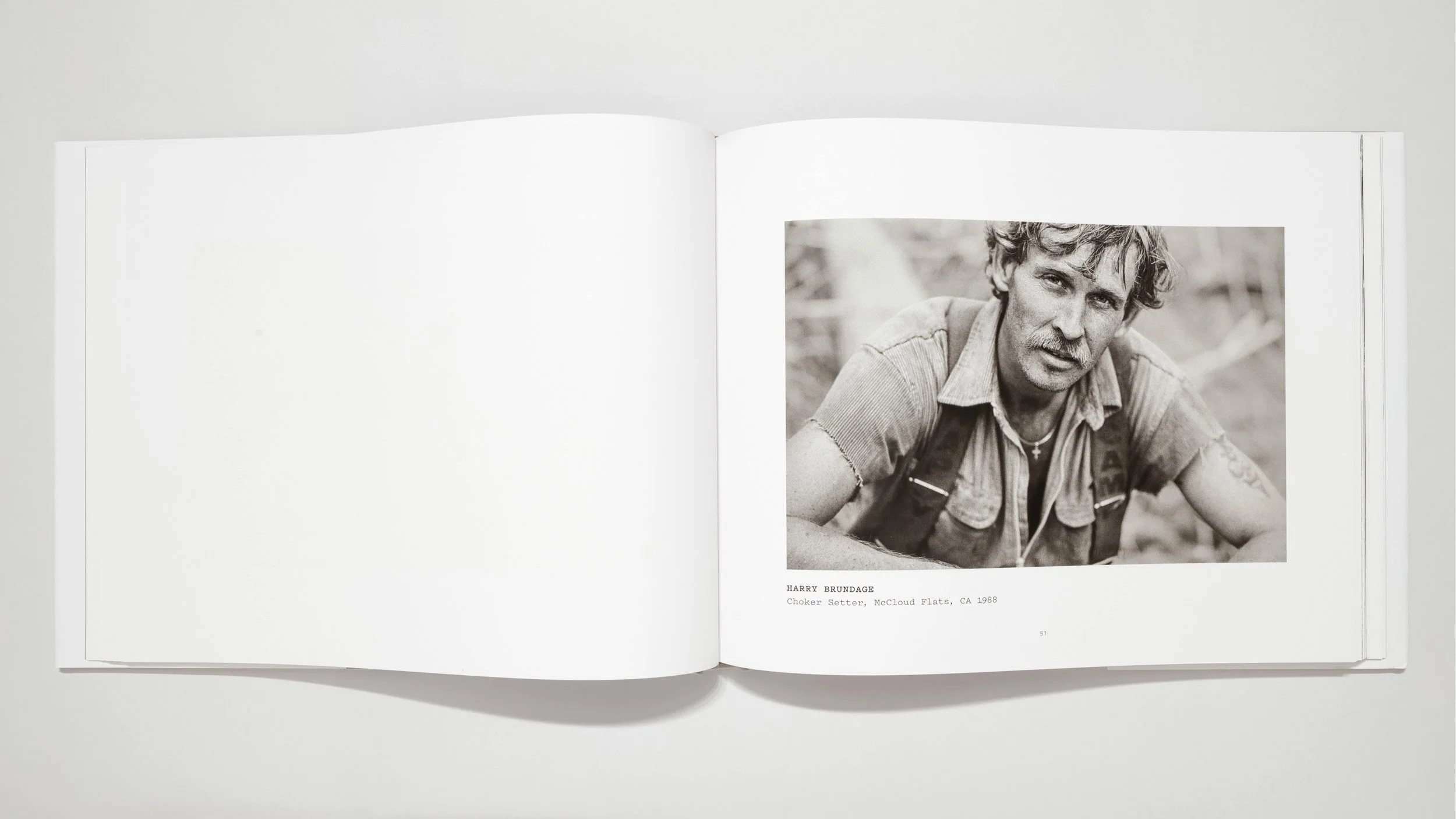 Image 11 of 13
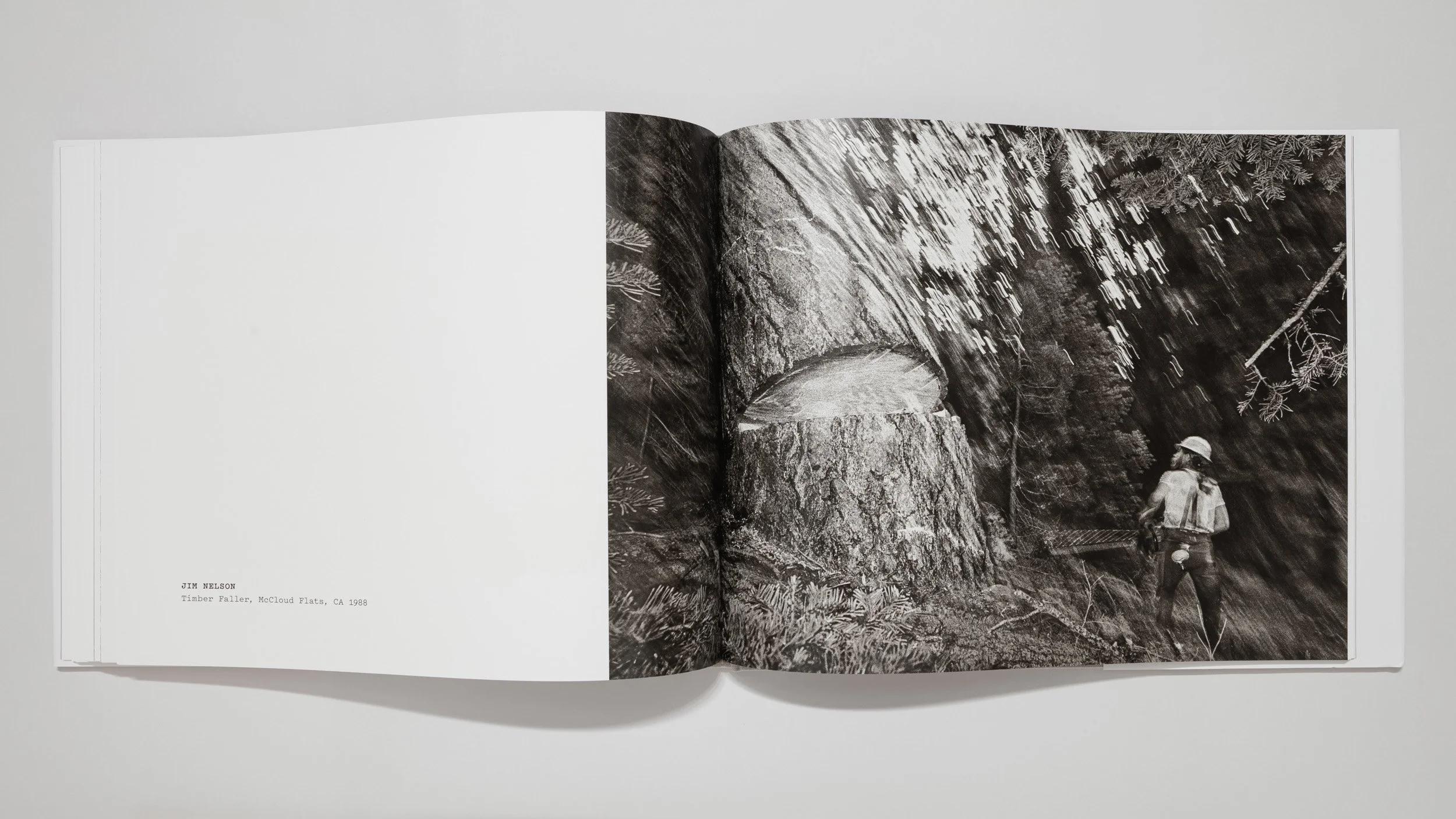 Image 12 of 13
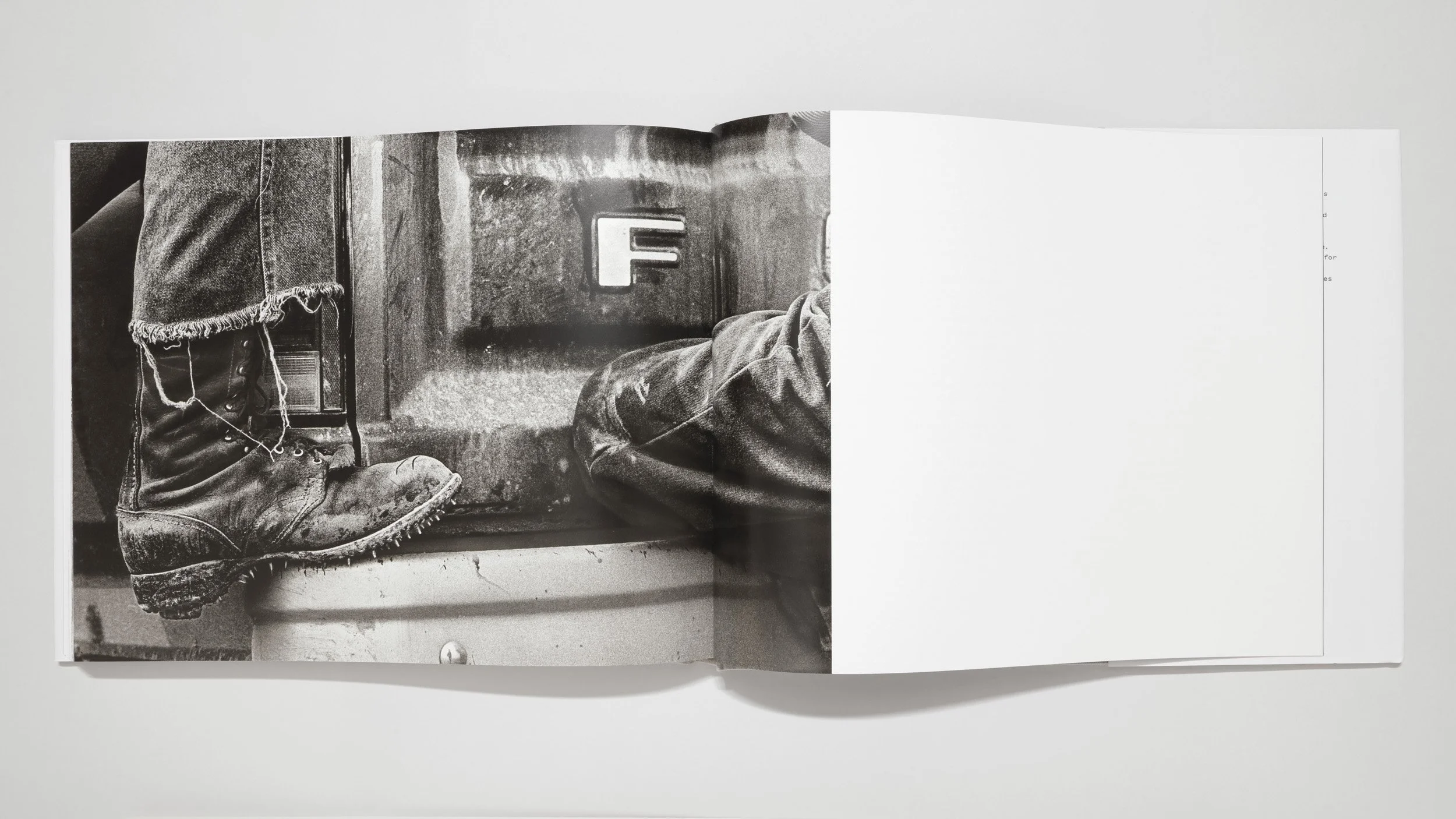 Image 13 of 13
From the Preface…
After my last day as a logger, the crew shared a few beers and goodbyes. Jack Hannah, our siderod, bought a round for for everyone and, with his big handlebar moustache dusted in beer foam, said, “David, you moved here from L.A. and by gawd we didn’t think you’d last a week. Instead you became the best choker setter I’ve seen. We all wish you well in photo school. And please don’t forget us dirty old loggers.”
Ten years later, during the Spotted Owl Wars, I returned to make these portraits and record their oral histories.
“…The book steers clear of environmental politics, maintaining a sense of clear-eyed objectivity as it documents the work of logging as practiced in the Northern California forests in the 1980s and the now-vanishing way of life that went along with it.
The portraits of men at work in the woods call to mind the Depression-era photographs of Dorothea Lange and Walker Evans as Bayles captures both the gritty details of a difficult and dangerous profession and the essential human dignity of his subjects…”
—Bennett Storey Hall
Excerpted from a review in GO! Eastern Oregon
"This book is as essential as it is beautiful. It belongs on the shelf of every tree hugger, to understand the loggers who cherish our forests too – and to remind all of us of the precious in the everyday. Every tree matters. So does every person. The wood products we all use come from somewhere, and are made by someone. In this remarkable book, David Paul Bayles reminds us of the essential connections between people and the land and the products we use, too often without thinking or appreciation.”
—Lynda Mapes, Environmental Writer Seattle Times, Author of The Trees are Speaking: Dispatches from the Salmon Forests, and The Witness Tree
“These portraits of loggers exude a sense of alignment and trust, which are deepened further by the personal narratives about their lives and work. This book does what we often hope photography will: it helps us understand a perspective unfamiliar to us. With this work, Bayles has done a service - not only for conversations about environmentalism and industry, but for the medium of photography as well.”
—Rebecca Senf, Chief Curator, Center for Creative Photography, University of Arizona, Tucson